Ravi’s Spiti Valley Adventure with Thrillophilia: Nine Days Across Mountains, Monasteries & Moonlike Landscapes

Thrillophilia Verified Booking
PNR: BKDUVCMEMVV
Traveller: Ravi Baruah
Trip Duration: 9 Days | 8 Nights
Destination: Spiti Valley
Date of Travel: 18 July 2026 to 26 Jul 2026
Package Booked: Spiti Valley Full Circuit From Delhi | Monasteries, Mountains & Moonscapes
“My trip to Spiti Valley with Thrillophilia was one of the most memorable travel experiences of my life.”
Some landscapes are beautiful enough to photograph. Others make you stop, look around, and forget to reach for your camera.
Spiti Valley belongs firmly to the second category.
In July, the valley is free from its winter snow and comes alive beneath clear blue skies. Barren mountains glow in shades of brown and gold, while crystal clear rivers cut through the enormous valleys below.
For Ravi Baruah, nine days in Spiti became an introduction to a landscape that seemed to change around every bend. The journey brought together remote villages, ancient monasteries, dramatic mountain passes and impossibly high settlements.
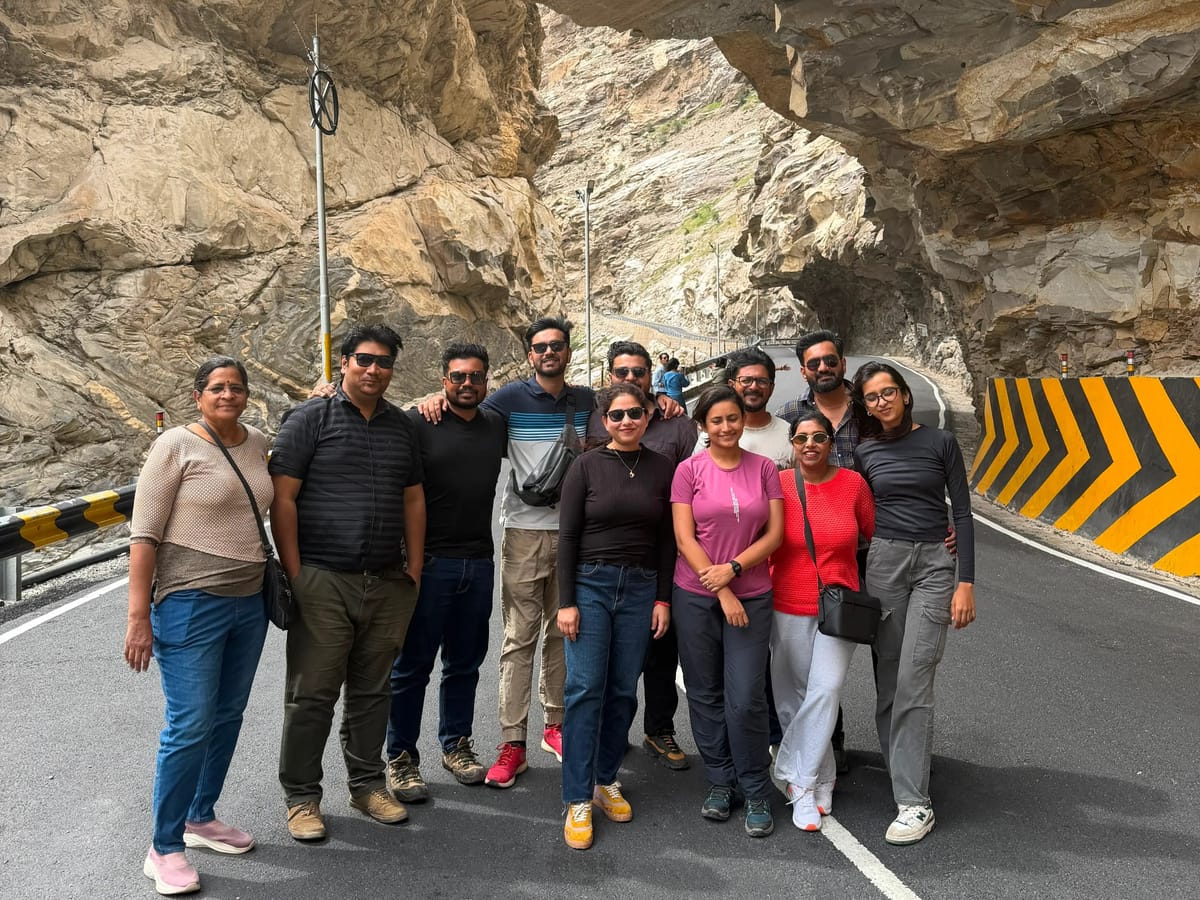
There was also something unexpected waiting for him. Ravi began the journey as a solo traveller and gradually found himself travelling with ten wonderful companions.
Chitkul: Where the Road Starts Feeling Like an Adventure
The first real taste of the Himalayas came on the road from Shimla towards Chitkul.
As Ravi travelled deeper into Kinnaur, the scenery slowly began to transform. Dense forests gave way to open valleys, apple orchards and traditional Himalayan villages. The Sutlej River stayed alongside the road for long stretches. Towering cliffs rose above the water, making even the drive feel like part of the adventure. At Karcham, Ravi witnessed the dramatic meeting point of the Sutlej and Baspa Rivers. The surrounding cliffs and rushing waters created an unforgettable Himalayan landscape.
Chitkul felt even more remote. Sitting close to the Indo-Tibetan border, the village is known as the last inhabited village on the Indian side. Traditional wooden homes stood against enormous mountains, while the Baspa River flowed through the valley below. Ravi also stopped at the famous Hindustan Ka Akhri Dhaba. A steaming cup of tea and rajma chawal tasted even better with those mountains stretching endlessly beyond the table.
Nako: The Landscape Takes a Dramatic Turn
The journey towards Nako brought Ravi into a completely different version of the Himalayas.
At Khab, the Sutlej and Spiti Rivers came together in a dramatic confluence. This point also marked the geographical gateway into the stark landscapes of Spiti Valley. The lush greenery of Kinnaur gradually disappeared behind them. In its place came enormous barren mountains, deep valleys and remarkably clear skies.
Nako offered a gentler introduction to this dramatic terrain. The peaceful Nako Lake reflected the surrounding mountains and sat beneath rows of willow and poplar trees. Nearby, Nako Monastery offered Ravi a glimpse into the Buddhist traditions that have shaped this remote region. There was no need to rush through the village. A quiet walk around the lake was enough to appreciate how peaceful life could feel at such an altitude.
Tabo, Dhankar & Gue: Discovering Spiti’s Ancient Soul
Spiti's landscapes were extraordinary, but its monasteries revealed another side of the valley.
At Gue Monastery, Ravi encountered one of the region's most unusual sights. The monastery houses the naturally mummified remains of a monk believed to be around 500 years old. The experience became even more fascinating because of the monastery's remote surroundings. The silence of the mountains made the ancient story feel remarkably close.
Tabo offered an entirely different experience. Often called the “Ajanta of the Himalayas", Tabo Monastery is more than a thousand years old. Inside, ancient murals, sculptures and intricate artwork preserved centuries of Buddhist history. The interiors felt especially striking against the stark landscape surrounding the monastery.
Then came Dhankar Monastery, dramatically perched above the Spiti Valley. From its elevated position, Ravi could see mountains and valleys stretching far into the distance. Each monastery revealed something different. Together, they showed Ravi how deeply Buddhism and mountain life are connected across Spiti.
Kaza: Where the Himalayas Reach the Sky
Kaza became the base for one of Ravi's most memorable sightseeing days.
The morning began at Key Monastery, one of Spiti's most recognisable landmarks. Built high above the valley, the monastery seemed to rise naturally from the surrounding mountains. Prayer flags fluttered in the cold mountain wind. Below them, the Spiti Valley stretched into an enormous panorama of ridges, rivers and scattered settlements.
From there, Ravi explored some of the highest villages in the region. Langza, known as the Fossil Village, stood beneath a giant Buddha statue overlooking the valley. The surrounding landscape appeared almost otherworldly, with barren mountains filling the horizon. At Hikkim, Ravi reached one of the world's highest post offices at approximately 4,400 metres. Sending a postcard from such a remote location became a memorable little souvenir.
Komik offered another remarkable experience. Known as one of Asia's highest inhabited villages, it provided sweeping views of the surrounding mountains. Traditional mud houses, open fields and vast Himalayan landscapes gave Ravi a glimpse into everyday life at extreme altitude.
Chandratal: The Blue Heart of the Mountains
If Ravi had to choose one landscape that captured the magic of Spiti, Chandratal would be difficult to beat. The journey towards the lake crossed some of the most rugged terrain of the trip. At 15,059 feet, Kunzum La offered sweeping views of snow covered peaks and deep mountain valleys.
The landscape became increasingly dramatic as the road climbed higher. Every turn revealed another enormous mountain, rocky ridge or distant patch of blue sky.
Then Chandratal appeared.
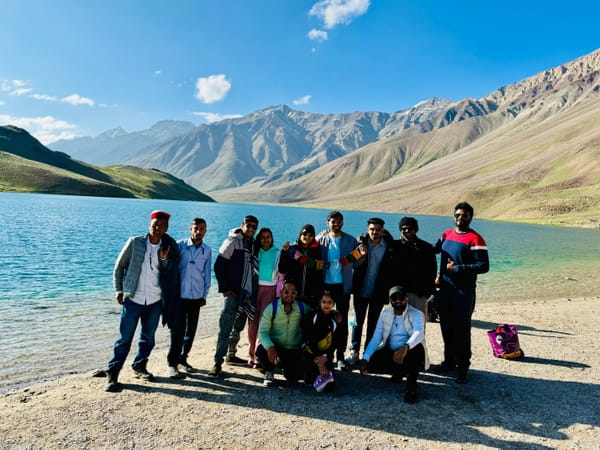
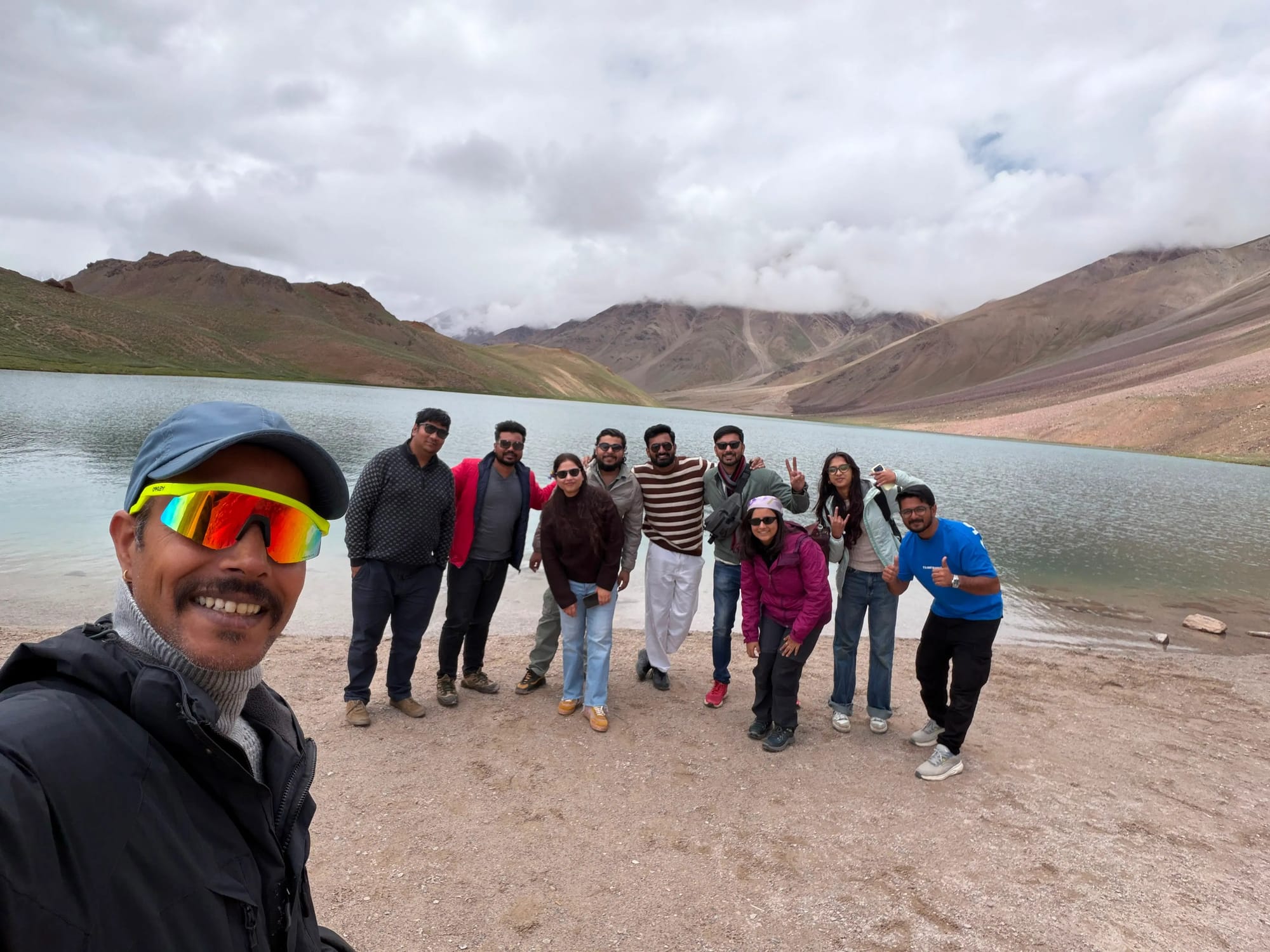
The crescent shaped lake rested quietly between towering mountains. Its crystal clear waters reflected the sky and surrounding peaks, creating an almost surreal scene. The colours changed as the sunlight moved across the lake. For Ravi, standing beside those waters felt like reaching the visual climax of the entire journey. It was remote, peaceful and completely unlike anything he had experienced earlier in the trip.
From the High Himalayas to Manali
The journey towards Manali brought another dramatic change in scenery. After days surrounded by barren mountains, Ravi gradually began seeing greener valleys, forests and flowing rivers again. The transition made the landscape feel almost completely new. The route through the Atal Tunnel was another highlight. Built at more than 10,000 feet, the tunnel connects the high Himalayan region with the greener landscapes around Manali.
By the time Ravi reached Manali, the atmosphere had changed completely. Pine forests, cafés, the Beas River and busy streets replaced the silence of Spiti. His final day included Hadimba Temple, Mall Road, Old Manali and the Tibetan Monastery. It was a relaxed ending after several days spent exploring remote Himalayan terrain.
Why Ravi Recommends His Spiti Valley Journey with Thrillophilia
For Ravi, the journey worked because it offered variety without making the experience feel rushed.
Thrillophilia’s Spiti Destination Expert Arjun Prajapati played an important role in making Ravi's Spiti experience smooth from start to finish. The group included 11 travellers, creating a comfortable atmosphere throughout the journey. What began as a solo trip soon became an opportunity to meet people from different parts of India. Ravi also appreciated the organisation behind the journey. Flights, accommodation, transportation and local support were handled smoothly throughout the nine days. The guide added another dimension to the experience. He shared stories about the region, explained local traditions and remained approachable whenever the group needed assistance. The driver also played an important role on the challenging mountain roads. His experience and confident driving helped the group feel safe throughout the journey.
Ravi described the overall experience as “seamless, immersive, and deeply memorable.” He also praised the itinerary for allowing the group to explore Spiti without constantly watching the clock.
His final recommendation was clear:
“Overall, my experience with Thrillophilia was excellent. Their professional planning, seamless travel arrangements, well-organised itinerary, friendly guide, skilled driver, and responsive support made my Spiti Valley adventure truly unforgettable.”
If you are dreaming of seeing Spiti at its most vibrant, this journey offers a glimpse of what awaits beyond the mountains. For Thrillophilia, reviews like Ravi's are a reminder that the best journeys are about more than reaching beautiful places. They are about creating the right conditions for travellers to experience them fully.
Also read: Deepankar’s Himachal Trip Review with Thrillophilia