Where roads end, and true adventure begins: Aparna's Spiti Trip with Thrillophilia

Thrillophilia Verified Booking
PNR: BKDWKGEWKM2
Rating: ★★★★★
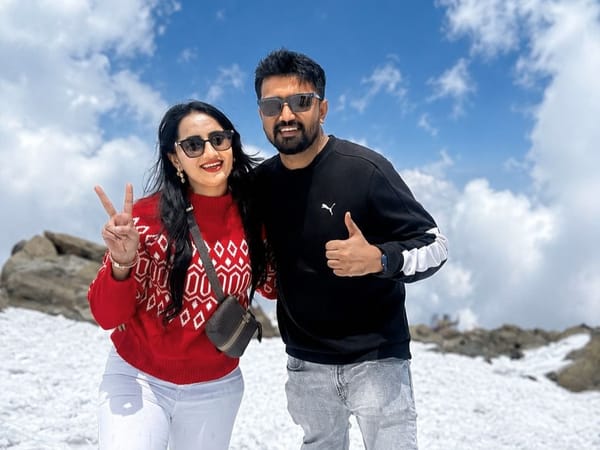
Travellers: Aparna Saxena, Mohanish Chandra and Isha Saxena
Trip Duration: 9 Days | 8 Nights
Date of Travel: 04 Oct 2025 to 12 Oct 2025
Package Booked: Spiti Valley Full Circuit From Delhi | Monasteries, Mountains & Moonscapes
Spiti is the trip people talk about for years before they actually go.
It sits on the bucket list of everyone who has spent any time looking at photographs of high-altitude deserts. The monasteries on cliffs. The villages that look carved out of the mountains rather than built on them. The roads that narrow to a single lane above a drop nobody wants to calculate.
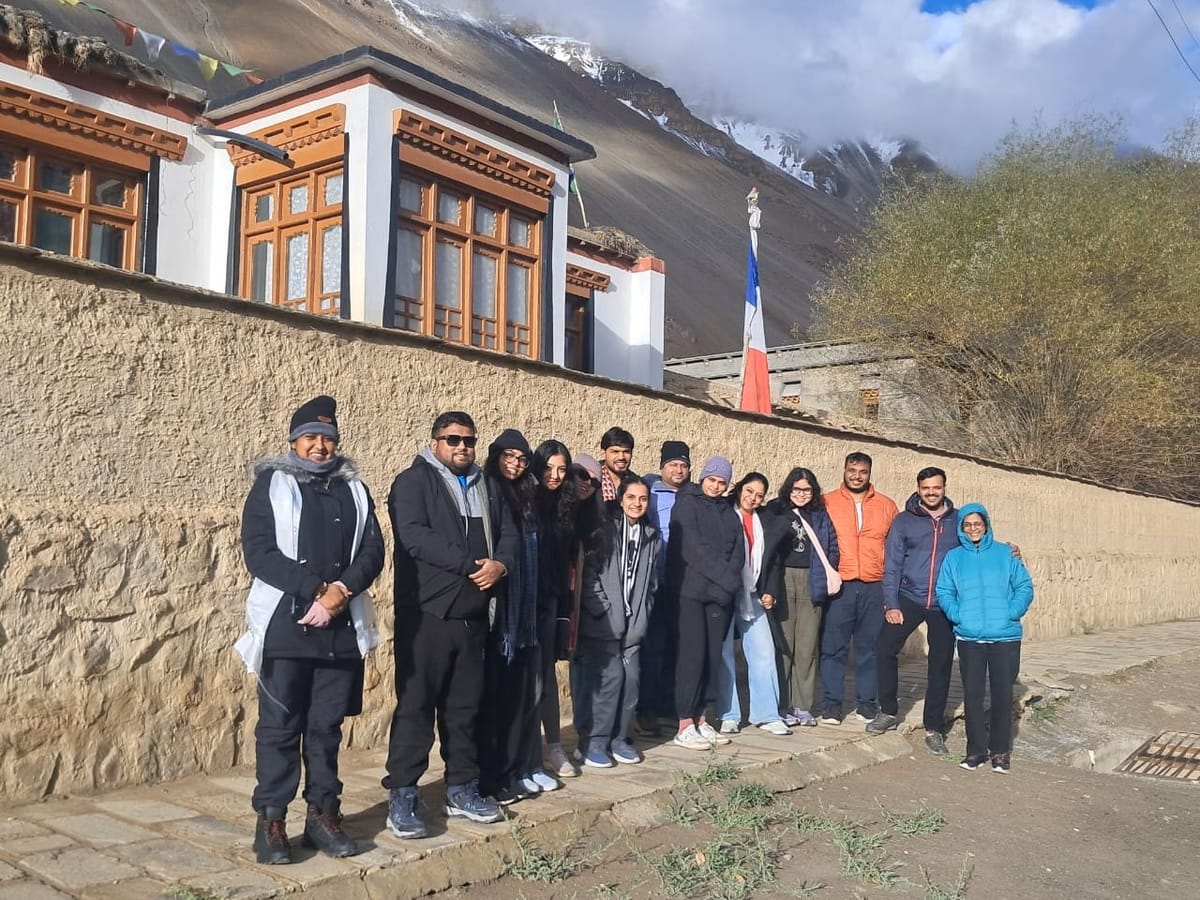
Aparna Saxena made the trip in October, along with Mohanish Chandra and Isha Saxena. 9-day Spirit tour package, Delhi to Delhi, with the valley in between.
Her review was short and warm.
"Wonderful experience with Neetima ji and the group."
One sentence. A name. The group. That is how group tours work when they go well. You board a Volvo in Delhi with strangers, and nine days later, you are someone's contact saved on a phone.
The Overnight Volvo and the First Morning in Shimla
Day one started at Majnu Ka Tila bus stand in Delhi. The overnight AC Volvo to Shimla. The kind of night journey where you wake up and the plains have been replaced by hills, and the air through the window is a different temperature entirely.
Shimla Bus Stand on the morning of the 5th. Then straight into the Tempo Traveller for the drive to Chitkul.
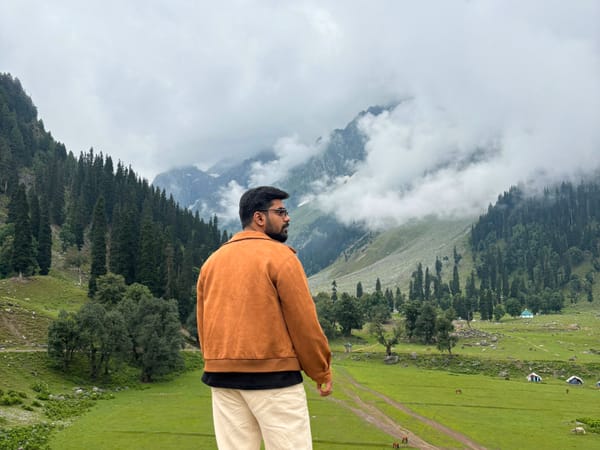
The route through Kinnaur Valley runs alongside the Sutlej River for most of its length. Apple orchards on the terraced slopes. Small Himachali villages with wooden houses stacked against the hillside. At Karcham, the two rivers meet, the Sutlej and the Baspa, and from there the road climbs into the Baspa Valley towards Chitkul.
Hindustan Ka Akhri Dhaba was the lunch stop. The last proper eatery before the Indo-China border. Rajma chawal, or a cup of tea, with the mountains surrounding you on every side. Most travellers spend longer there than they mean to.
Nako Was the Quiet Day
Day three was the transfer from Chitkul to Nako, with the Khab Bridge stop on the way. The Khab Bridge is where the Sutlej and Spiti rivers meet, and the point where Kinnaur ends and Spiti begins. The landscape changes quickly after Khab. The trees thin out. The slopes turn to bare rock. The colours shift from green to grey and ochre.
Nako Lake at 3,662 metres. Willow and poplar trees were around the edges; the snow peaks were reflected in the water. The Nako Monastery nearby, with frescoes that have been watching over the village for centuries.
Kaza Was the Heart of the Trip
The drive from Nako to Kaza on day four stopped at three monasteries. Gue Monastery and the 500-year-old mummified monk, preserved by the high-altitude conditions in a way that stops most visitors mid-step. Tabo Monastery, the Ajanta of the Himalayas, with murals and sculptures dating back a thousand years. Dhankar Monastery is perched on the cliff above the valley confluence.
By the time the group reached Kaza that evening, they had covered more Buddhist heritage in a single day than most people see in a lifetime of temple visits.
Day five was the Kaza circuit. Key Monastery is on its hill, the whole Spiti Valley visible from the courtyard. Langza with the giant Buddha statue watching over the fossil village. Hikkim, the world's highest post office at 4,400 metres, where everyone in the group probably sent a postcard to someone back home. Komik, one of Asia's highest inhabited villages, at the end of the day.
Chandratal Was the Day the Trip Peaked
Day six was the early start to Chandratal Lake, which was one of the best in Spiti Valley. The drive crossed Kunzum La Pass at 15,059 metres, with the wind and the panoramic snow peaks at the top. Then down to the crescent-shaped lake below, the water changing colour through the afternoon as the light shifted across it.
The camp at Chandratal overnight. Cold, quiet, far from anywhere. The kind of night that makes everything that came before it feel earned.
Manali and the Road Home
Day seven was the drive to Manali through the Atal Tunnel. The world's longest highway tunnel above 10,000 feet, and the moment you exit it, Himachal opens up green and warm again after the stark grey of the trans-Himalayan plateau.
Day eight was Manali. The Hadimba Devi Temple in the deodar forest. Mall Road. Old Manali's cafes and craft shops. The Tibetan Monastery in the afternoon. Then the overnight Volvo back to Delhi.
Day nine was the arrival at Majnu Ka Tila. And that's how the closing of the Spiti tour package worked.
What Thrillophilia Carried
Group tours are held together by the person running them. Nine days on Spiti's roads, at altitudes where the body behaves differently and the weather changes without warning, require someone who can read the group and adjust when needed.
One of the Thrillophilia destination experts who was addressed as ‘Neetima ji’ by Aparna was that person. Aparna named her in the review. The first aid kit and oxygen cylinder were on board throughout. Inner Line Permits were sorted before the group reached any checkpoint. The driver-cum-guide knew the roads.
That is the kind of Spiti Valley trip review that does not need any dressing up.