Shobha’s Mesmerising Spiti Valley Journey with Thrillophilia: Nine Days Through High-Altitude Villages & Himalayan Landscapes
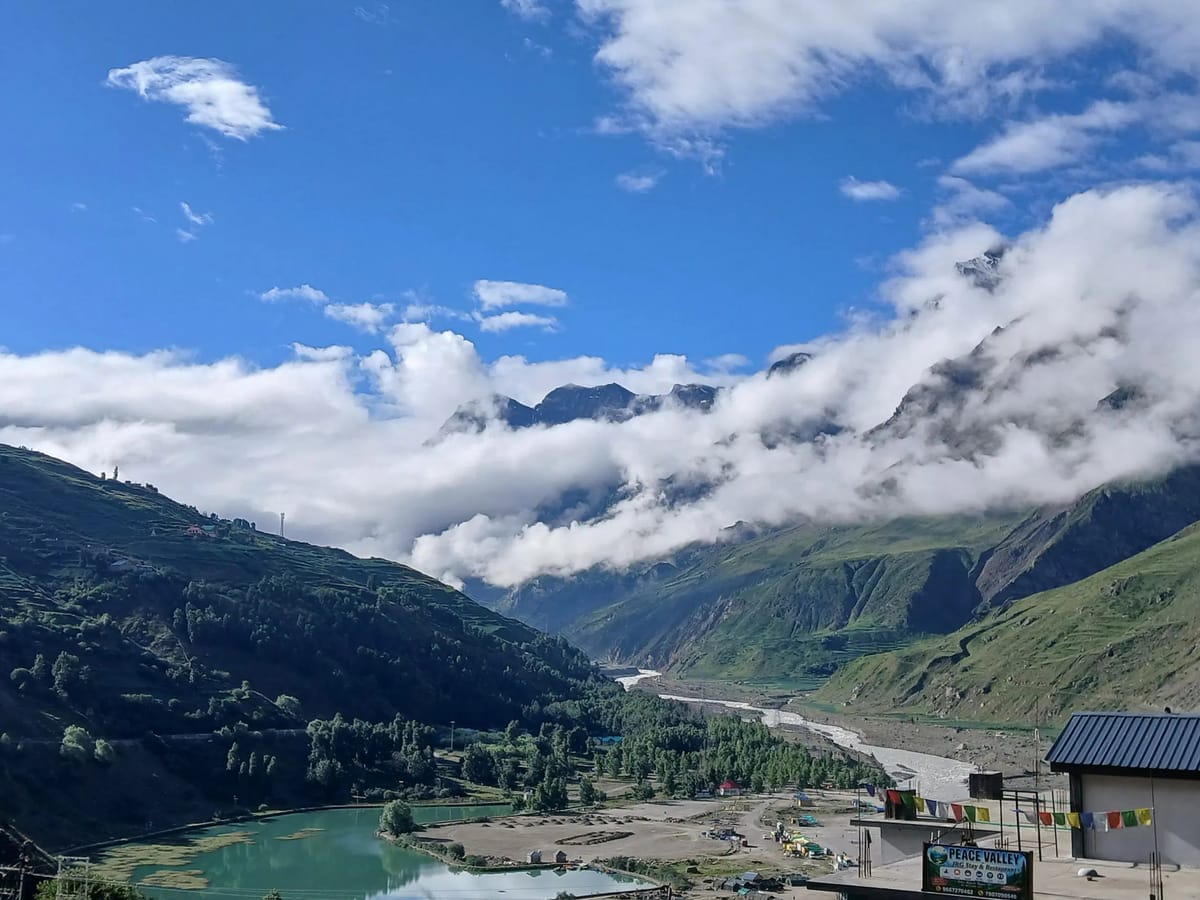
Thrillophilia Verified Booking
PNR: BKDXEE1UD9M
Traveller: Shobha
Trip Duration: 9 Days | 8 Nights
Destination: Spiti Valley
Date of Travel: 18 Jul 2026 - 26 Jul 2026
Package Booked: Spiti Valley Full Circuit From Delhi | Monasteries, Mountains & Moonscapes
“Overall, it was a memorable and mesmerising trip. Thanks to Thrillophilia.”
Some landscapes impress you with their beauty, while others make you pause and simply take everything in. Spiti belongs firmly to the second kind.
For Shobha, the nine-day journey through Spiti Valley became a chance to experience the Himalayas in their rawest form. July had transformed the usually stark landscape into something unexpectedly vibrant.
From the quiet beauty of Chitkul to the ancient monasteries of Tabo and Dhankar, the journey kept changing character. High-altitude villages, sacred Buddhist sites, turquoise lakes and dramatic mountain passes each brought their own atmosphere. At 64, Shobha experienced the region without rushing through it. The pleasant weather also made long sightseeing days easier and allowed her to enjoy the landscape comfortably.
Here is how her nine-day Spiti adventure unfolded.
Chitkul: Where the Himalayas Feel Untouched
The first real taste of the mountains came with Chitkul, the last inhabited village on the Indo-Tibetan border. As the road entered Kinnaur Valley, lush forests slowly opened into mountain slopes, apple orchards and traditional Himalayan villages. The Sutlej River stayed alongside the route, adding movement to the vast landscape.
At Karcham, the dramatic confluence of the Sutlej and Baspa Rivers created one of the journey's most striking sights. Beyond it, the road followed the Baspa Valley towards Chitkul, where towering mountains and the rushing river created an almost untouched setting. The village felt wonderfully remote, far removed from the noise of busy tourist towns.
A stop at Hindustan Ka Akhri Dhaba added a warm, memorable moment to the experience. A steaming cup of tea or plate of rajma-chawal felt even more comforting against the spectacular mountain backdrop. As evening settled over the valley, the campsite grew quiet, leaving Shobha surrounded by mountains, river sounds and Himalayan silence.
Nako: A Quiet Village Above the Clouds
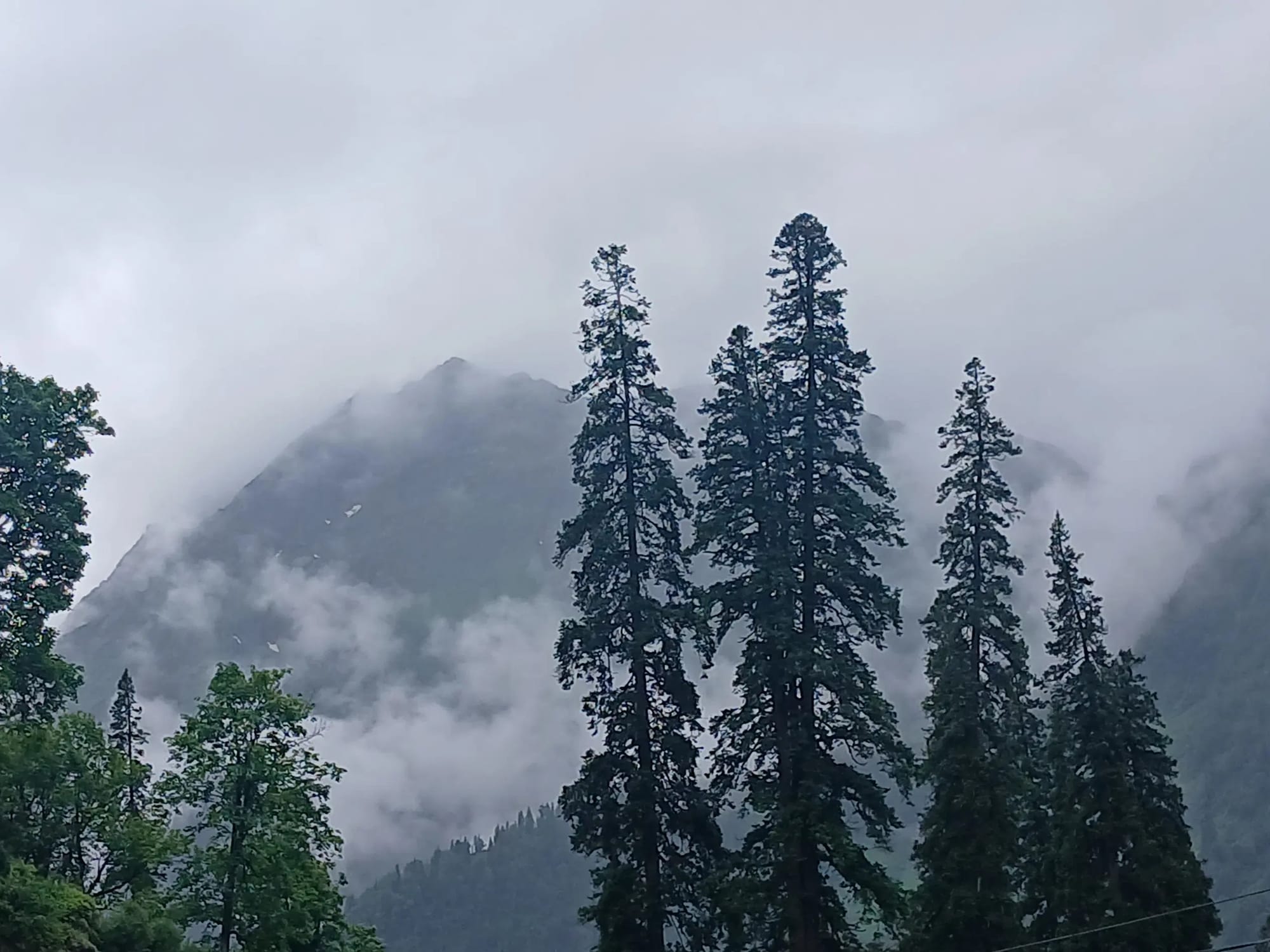
The mountains began looking increasingly stark as Shobha entered Nako, a peaceful settlement known as the Land of Fairytales. The route passed through Reckong Peo, with the Kinner Kailash range rising dramatically across the horizon. At Khab, the Sutlej and Spiti Rivers came together in a striking natural spectacle.
Nako Lake offered a softer contrast, surrounded by willow and poplar trees with mountain reflections shimmering across its clear waters. Nearby, Nako Monastery revealed Spiti's deep Buddhist heritage through its traditional architecture and peaceful surroundings. The changing landscape made Nako feel like a natural introduction to the stark beauty that awaited deeper inside Spiti.
Tabo and Dhankar: Centuries of Himalayan Stories
The road towards Kaza brought some of Spiti's most fascinating cultural experiences. At Gue Monastery, Shobha encountered the unusual story of a naturally mummified monk believed to be around 500 years old. The experience offered a glimpse into the valley's deep spiritual traditions.
Tabo Monastery felt like stepping into another era. Often called the Ajanta of the Himalayas, its ancient murals and structures preserve nearly a thousand years of Buddhist history. Dhankar Monastery offered a completely different setting, perched dramatically above the valley between towering cliffs. The views stretched across rugged mountains and deep valleys, making the landscape as memorable as the monastery itself.
Kaza: Life at the Roof of Spiti
Kaza became the heart of Shobha's Spiti experience and the perfect base for discovering its remarkable high-altitude villages. Key Monastery was an early highlight, perched high above the valley with sweeping views of the mountains. Its Tibetan architecture and quiet spiritual atmosphere created a striking sense of calm.
Langza brought another unforgettable scene, with its enormous Buddha statue overlooking the village and its reputation as a fossil-rich settlement. At Hikkim, Shobha reached more than 4,400 metres above sea level and found one of the world's highest post offices. Sending a postcard from such a remote corner turned an everyday activity into a memorable travel story. Komik completed the experience with traditional mud houses, vast mountain views and endless skies.
Chandratal: Where the Mountains Meet the Sky
The landscape became even more dramatic on the way to Chandratal. Rugged roads wound through enormous mountains, while every turn revealed another sweeping Himalayan view. At 15,059 feet, Kunzum La offered breathtaking views of snow-capped peaks and barren mountain slopes.
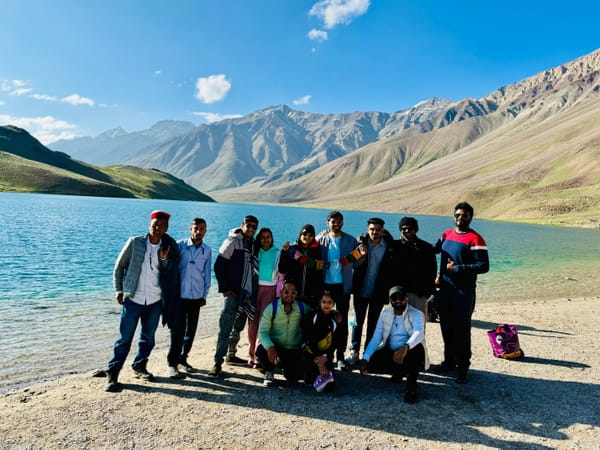
Then came Chandratal, appearing almost unexpectedly among the mountains. The crescent-shaped lake reflected the surrounding peaks and changing sky in its crystal-clear waters. Its colours seemed to shift with the light, creating a landscape that felt different from one moment to the next. With only mountains, sky, water and silence surrounding it, Chandratal became one of the most mesmerising moments of the trip.
Manali: A Greener Finale
Manali brought a dramatic change after Spiti's stark high-altitude landscapes. The journey through the Atal Tunnel marked the transition towards greener valleys, with Solang Valley adding lush slopes, mountain peaks and a completely different Himalayan character.
The final sightseeing experiences brought a more relaxed rhythm. Hadimba Temple stood quietly among towering deodar trees, while Manali Mall Road added colour through local handicrafts, woollens and food. Old Manali offered quaint cafés, small shops and views of the Beas River. The Tibetan Monastery brought the journey back to a quieter mood, with colourful murals, prayer wheels and a peaceful atmosphere forming a fitting end to Shobha's Spiti adventure.
Why Shobha Recommends Her Spiti Valley Journey with Thrillophilia
Spiti demands more than a good itinerary. Remote villages, high-altitude roads and changing mountain conditions make thoughtful planning essential.
Our Spiti Destination Expert Kareena Sharma helped keep Shobha’s journey organised, while the support team stayed available throughout the trip. The itinerary balanced long mountain drives with enough time to actually experience each destination.
Comfort was equally important. Shobha appreciated the stays, particularly the beautiful mountain and valley views from the balconies. After a day among Spiti’s rugged landscapes, these quieter moments added to the experience. The guide brought the destination alive with his enthusiasm and detailed explanations. His stories added context to ancient monasteries, remote villages and the landscapes surrounding them. The driver handled the challenging mountain roads calmly and safely, giving Shobha confidence throughout the journey.
Her experience summed it up best: “The trip was great. The Nature at its best. The climate was also good, making our trip easy and memorable... Overall, it was a memorable and mesmerising trip. Thanks to Thrillophilia.”
For us, that is the essence of a great Spiti holiday. Thoughtful planning behind the scenes, so travellers can simply enjoy the mountains in front of them.